Homeowner guide
Roof Pitch and Slope Explained for Homeowners
Roof pitch is the steepness of your roof. It affects which materials can be used, how water drains, how safe the roof is to work on and how a repair should be done.
The short answer: Homeowners usually pay for a roof with savings, a home equity loan or line of credit, a personal loan, financing offered through the roofing company, or an insurance payout when the damage is covered. The right choice depends on the total cost of borrowing, not the monthly payment, so compare the interest rate, fees and payoff terms in writing before you commit.
How roof pitch is measured
Pitch is written as rise over run, such as 6:12. A 6:12 roof rises 6 inches for every 12 inches of horizontal distance. A higher first number means a steeper roof.
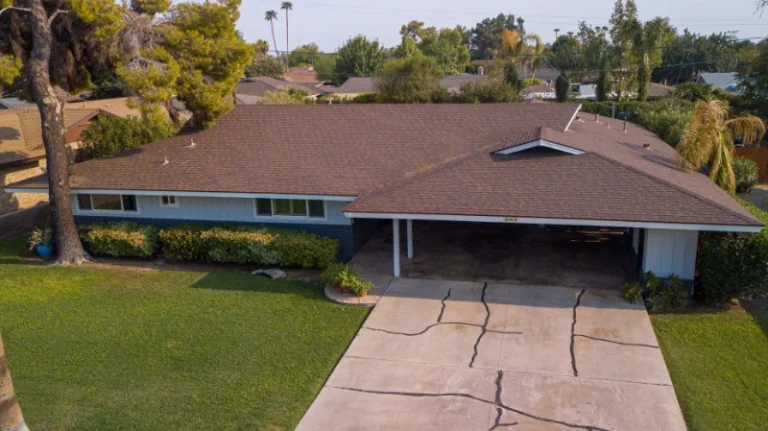
Most Indianapolis houses have a moderate pitch. Garages, additions, porches and some modern designs often have lower slopes, and those are where leaks tend to start.
Why slope matters for materials
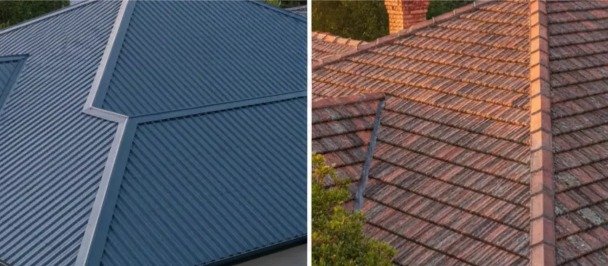
Water sheds quickly from steep roofs and slowly from low ones. Because of that, each material has a minimum slope.
- Asphalt shingles: model building codes allow them on slopes of 2:12 and up, and require extra underlayment protection on the lowest slopes.
- Standing seam metal: can be used on much lower slopes because the seams are raised and sealed.
- Flat and low-slope roofs: need a membrane system such as TPO, EPDM or modified bitumen, not shingles.
Your roofer should confirm the slope before recommending a material.
Slope and leaks
Low-slope sections hold water longer, so small flaws in flashing, seams or fasteners show up sooner. If one section of your home leaks repeatedly while the rest is fine, check its pitch before assuming the shingles are bad.
Slope and safety
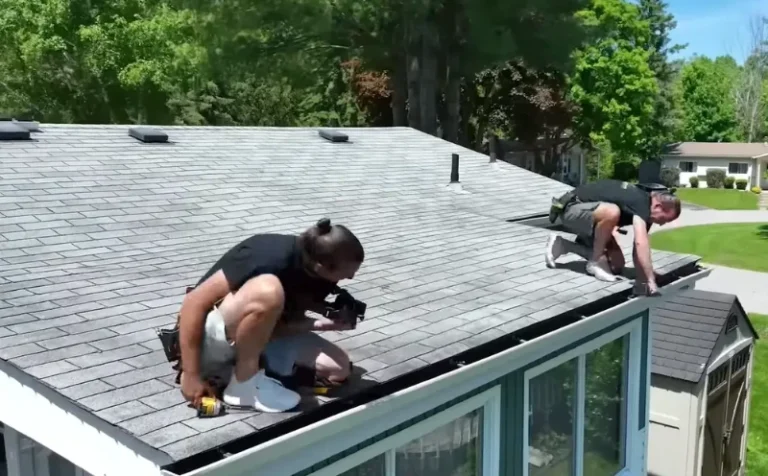
Steep roofs need extra safety equipment and can raise labor time. This is a normal reason for pricing differences between two otherwise similar homes.
Roof pitch questions
What is a low-slope roof?
Generally a roof below about 2:12 to 4:12 is treated as low-slope, and many manufacturers limit shingle use there. Ask your roofer which standard applies.
Can I change roofing material if my roof is low pitch?
Often yes, but the material must be approved for that slope. A low-slope roof usually needs a membrane or standing seam metal.
Does pitch affect the cost of a roof?
Yes. Steeper roofs generally take more time and safety setup, and the surface area is larger than the footprint.
Related:
Roof trouble in Indianapolis? Get a written estimate.
Serving homeowners across Marion County and the suburbs. No contracts, no pressure.
R&R Roofing
Roofing contractor serving Indianapolis, Indiana and the surrounding suburbs.
(317) 555-0142
© 2026 R&R Roofing. All rights reserved.