Roof leaks
Roof Leak in Winter in Indiana: What to Do Right Now
Water is coming through the ceiling and it is freezing outside. Here is what to do first, what to avoid, and when to call a roofer.
The short answer: If your roof has years left and the damage is in one area, repair it. If shingles are failing across the roof or the same leaks keep returning, a replacement saves money over time. We tell you which one applies, with photos.
Start with safety, not the roof
A winter leak feels urgent, but climbing onto an icy roof is the most dangerous thing you can do. Ladders and shingles get slick with ice and frost. If you can see water coming in, deal with it from the inside first.
Indianapolis averages about 25.5 inches of snow a year (National Weather Service, 1991-2020 normals), and the freeze-thaw cycles that come with it are a common reason winter leaks appear. See our guide to ice dams in Indiana for one of the most common causes.
What to do in the first hour
- Move belongings away from the leak. Furniture, electronics and rugs first.
- Contain the water. Put a bucket or trash can under the drip. A towel in the bucket reduces splashing.
- Relieve a bulging ceiling. If a bubble of water forms in the ceiling, one common recommendation is to carefully puncture the lowest point of the bulge over a bucket so the water drains in a controlled way, instead of the whole section giving way.
- Turn off power if water is near lights or outlets. If water is dripping from a light fixture or you see it near wiring, switch off the circuit at the breaker and call an electrician if you are unsure.
- Take photos and video. Capture the stain, the dripping, the wet items and any visible exterior damage. This helps with an insurance claim.
What to avoid
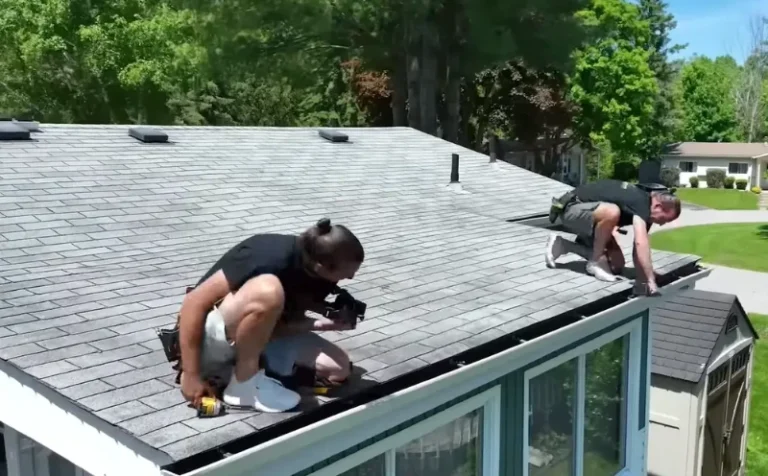
- Do not walk on an icy or snow-covered roof. Hire a professional for anything on the roof.
- Do not use heat guns, hair dryers or open flames to melt ice. They risk fire, damage to the roofing and electrical hazards.
- Do not chip at ice with a hammer or shovel. It can tear up shingles and cause more leaks.
Finding where the water really comes from
The wet spot on your ceiling is often not directly under the hole in the roof. Water runs along rafters and decking before it drips. Common winter sources include:
- Ice dams that back water up under the shingles at the edge of the roof.
- Failed flashing around chimneys, skylights, vents and wall joints. See our chimney flashing repair and skylight leak repair pages.
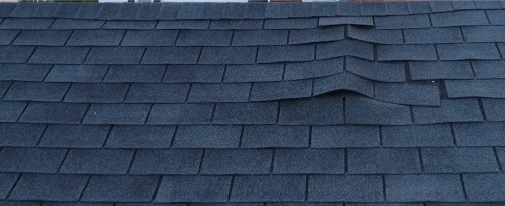
- Missing, cracked or lifted shingles after wind or a freeze-thaw cycle.
- Poor attic ventilation or air leaks that warm the roof deck and melt snow unevenly. Our roof ventilation and ice dam page explains how that works.
If you can safely look in the attic with a flashlight, check for dark stains, wet insulation or frost on the underside of the roof deck. Photograph what you see.
Temporary protection
A professional can cover the damaged area with a tarp or temporary patch until the weather allows a permanent repair. A properly secured tarp is not the same as a DIY plastic sheet thrown over the roof, which can blow off or trap water. See our emergency roof repair and roof tarping pages.
Insurance and your leak
Coverage depends on your policy and on what caused the leak. According to a Nationwide article on leaking roofs, homeowner policies often cover damage from sudden events such as wind, hail or the weight of snow and ice. They generally do not pay to replace a roof that is wearing out from age or lack of maintenance, and roofs over about 20 years old often have limited coverage. Read your policy and call your agent to confirm.
Two practical points:
- Document everything before cleanup. Photos, dates and a list of damaged items.
- Keep receipts for emergency steps, such as a temporary tarp.
For more, see our roof insurance claim guide.
When to call a roofer
Call a roofer if water is coming in, if you see missing shingles or damaged flashing, if there is a stain that keeps growing, or if you cannot find the source. A good roofer will inspect the roof and attic, photograph what they find, explain whether the fix is a repair or a replacement, and give you a written estimate. Our roof leak repair page explains what that looks like.
Sources
Winter roof leak questions
Is a roof leak in winter an emergency?
If water is actively coming in, treat it as urgent. Contain the water inside, document it, and call a roofer to inspect and temporarily protect the roof.
Should I climb up and cover the leak myself?
No. Ice and snow make roofs slippery and falls are a leading cause of roofing injuries. Let a professional do the work on the roof.
Will insurance pay for a winter leak?
It depends on the policy and the cause. Sudden damage may be covered, while wear and tear usually is not. Read your policy and talk to your agent.
Related:

Roof trouble in Indianapolis? Get a written estimate.
Serving homeowners across Marion County and the suburbs since 2019. No contracts, no pressure.
R&R Roofing
Roofing contractor serving Indianapolis, Indiana and the surrounding suburbs.
(317) 555-0142
123 Main Street, Indianapolis, IN 46204
License #RR-2019-4821, fully insured
© 2026 R&R Roofing. All rights reserved.