Homeowner guide
Can You Put New Shingles Over Old Ones? Reroofing vs Tear-Off in Indiana
Putting new shingles over old ones can look like a way to save money. Sometimes it is allowed, but often it is not the better choice. Here is how the rules and the trade-offs work.
The short answer: Homeowners usually pay for a roof with savings, a home equity loan or line of credit, a personal loan, financing offered through the roofing company, or an insurance payout when the damage is covered. The right choice depends on the total cost of borrowing, not the monthly payment, so compare the interest rate, fees and payoff terms in writing before you commit.
The two options
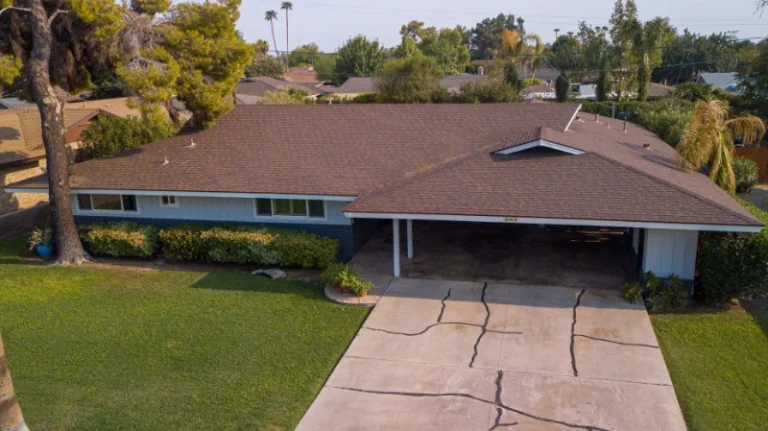
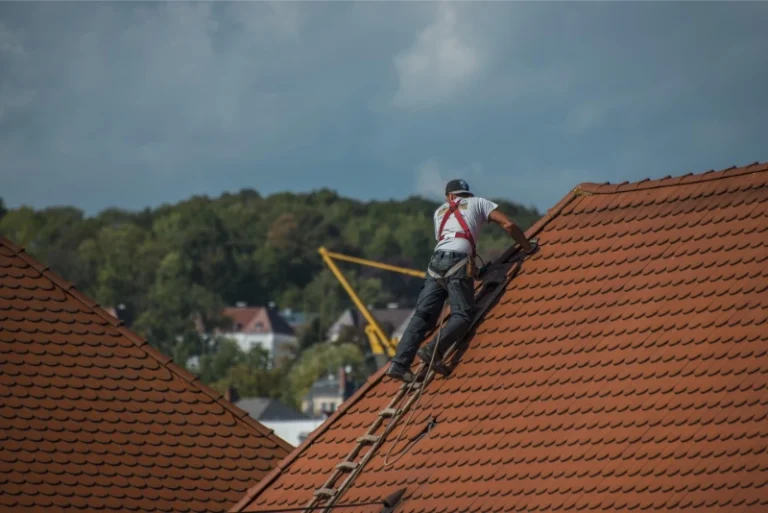
A tear-off (also called a replacement) removes the old roofing down to the deck before the new roof goes on. A recover (also called a layover or overlay) installs new shingles on top of one existing layer. Which one is allowed depends on the condition of the existing roof and on the building code that applies to your home.
What the model code says
Indiana’s residential rules are based on the International Residential Code. Under the 2018 version of that model code, a recover is limited to one new layer of asphalt shingles over one existing layer, so two layers in total. A third layer is not permitted.
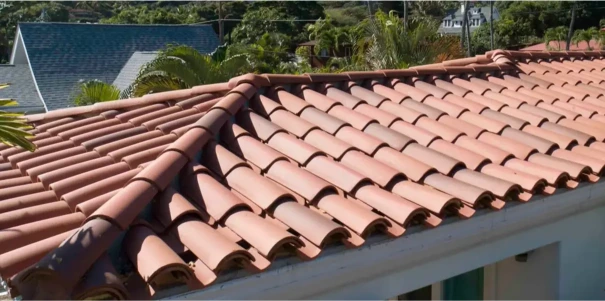
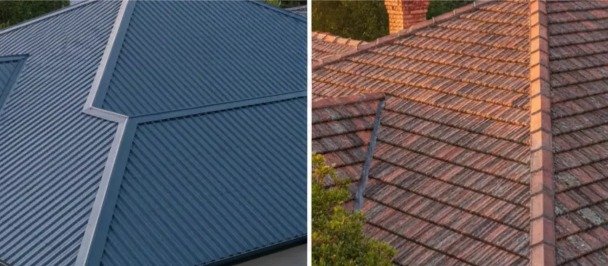
The model code also requires a tear-off when two layers already exist, when the existing roofing is water-soaked or deteriorated, when it has excessive curling, cupping, buckling or raised edges, or when it is not asphalt shingle, for example wood shakes, slate, clay tile or concrete tile.
Local building departments can have their own requirements, so confirm with yours before planning a recover. Our guide to roof permits in Indianapolis covers where to ask.
Why a tear-off is often the better choice
- It lets the roofer inspect the deck and replace rotted or damaged sheathing.
- It allows new underlayment, flashing and drip edge to be installed correctly.
- It avoids adding weight to the structure.
- A new layer over old shingles can telegraph bumps and uneven surfaces.
- Some manufacturers limit warranty coverage when shingles are installed over an old layer.
When a recover can make sense
A recover can be reasonable when there is only one existing layer, the existing shingles are flat and sound with no moisture problems, and the deck has been checked for hidden damage. It can reduce disposal costs and mess. The trade-off is that problems under the old layer stay hidden, and the next replacement will need to remove two layers.
Questions to ask your roofer
- How many layers are on my roof now?
- Will you inspect the deck, and how is rotted decking priced if you find it?
- Does the manufacturer warranty apply to a recover installation?
- Is a permit required, and who pulls it?
A written estimate should say clearly whether it is a tear-off or a recover. Our guide to reading a roofing estimate shows what else to check.
Reroofing and tear-off questions
Is it legal to put new shingles over old ones?
Under the model residential code Indiana’s rules are based on, one new layer of asphalt shingles over one existing layer is generally allowed if the old roof is in sound condition. Check with your local building department, since local rules can differ.
How many layers of shingles can a roof have?
The model code allows two layers in total. A third layer is not permitted, and a tear-off is required when two layers already exist.
When is a tear-off required?
When two layers already exist, when the old roofing is water-soaked or deteriorated, when shingles are badly curled or buckled, or when the existing roof is wood shake, slate or tile.
Does a recover save money?
It can lower removal and disposal costs, but it hides deck problems and the next replacement will need to remove both layers. Ask for both prices in writing.
Does a layover affect my warranty?
It can. Some manufacturers limit coverage for shingles installed over an existing layer, so ask your roofer to confirm in writing.
Related:
Roof trouble in Indianapolis? Get a written estimate.
Serving homeowners across Marion County and the suburbs since 2019. No contracts, no pressure.
R&R Roofing
Roofing contractor serving Indianapolis, Indiana and the surrounding suburbs.
(317) 555-0142
© 2026 R&R Roofing. All rights reserved.